AI & Machine Learning in Indian Finance: 2025 Landscape
Explore how artificial intelligence and machine learning are transforming trading, risk management, and portfolio optimization in Indian markets.
Deep dives into algorithmic trading, quantitative strategies, and market microstructure for the Indian markets.
Explore how artificial intelligence and machine learning are transforming trading, risk management, and portfolio optimization in Indian markets.
Navigate SEBI's latest algorithmic trading regulations with this comprehensive guide covering registration, risk controls, audit requirements, and penalties.
Explore how RBI's Central Bank Digital Currency (CBDC) will transform settlement, collateral management, and algo trading infrastructure.
Analyze the explosive growth of retail options trading in India and opportunities for algorithmic strategies in F&O markets.
Understand SEBI and RBI regulatory sandboxes for testing innovative algo trading and fintech solutions in controlled environments.
Explore how retail algorithmic trading is democratizing Indian markets with zero brokerage, APIs, and mobile-first platforms.
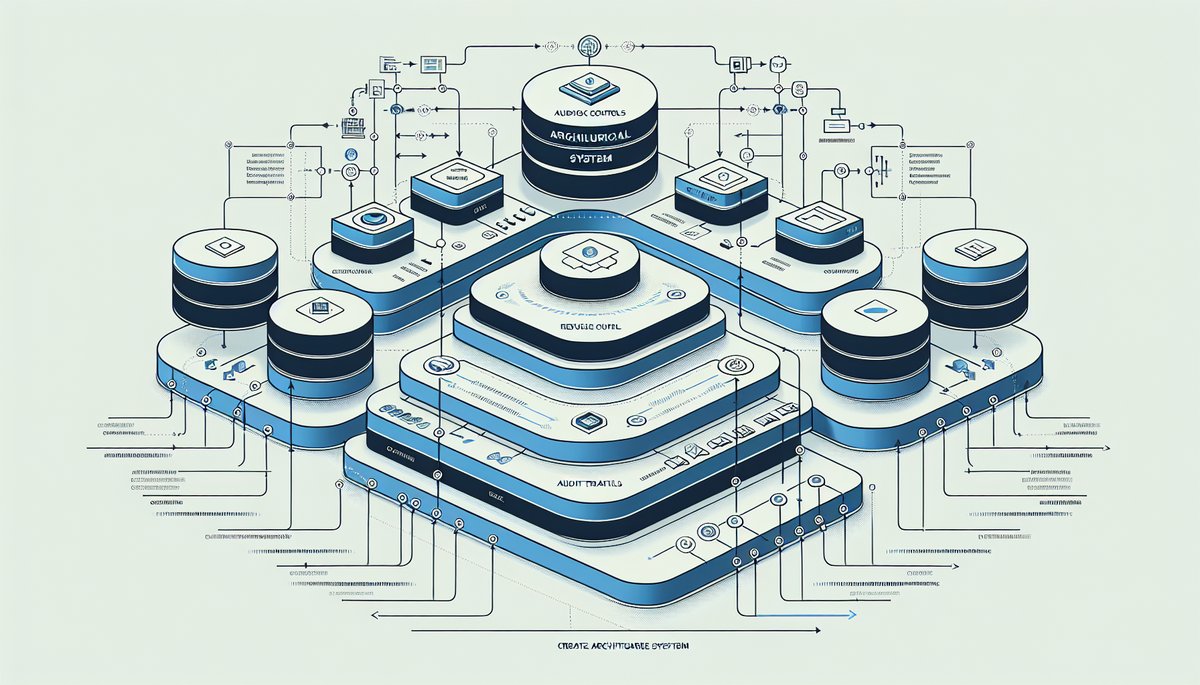
Implement a complete compliance framework covering SEBI regulations, audit trails, and risk controls for algorithmic trading.
Analyze the Jane Street India ban case and learn critical compliance lessons for algorithmic traders in India.
Prepare your algo trading systems for circuit breakers, trading halts, and extreme market events in NSE and BSE.
Compare co-location and cloud-based trading infrastructure for latency, costs, and complexity in Indian markets.
Explore HFT strategies, infrastructure requirements, and regulatory landscape for high-frequency trading in NSE and BSE.
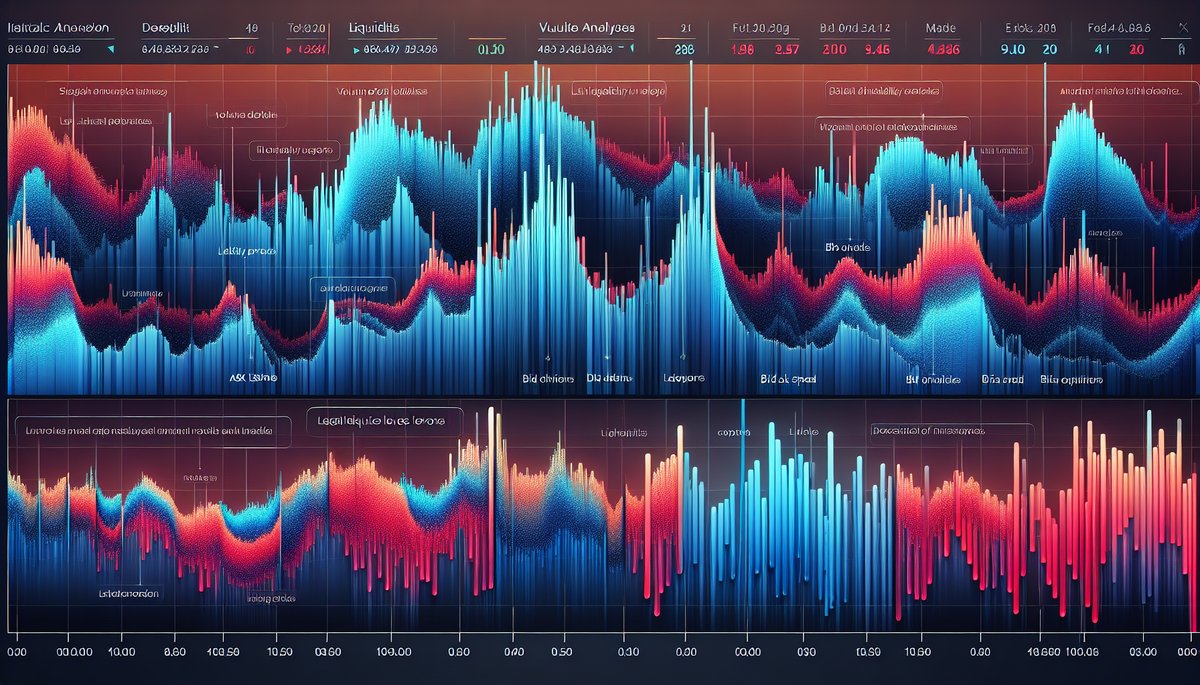
Understand order book depth, market impact, and optimal execution strategies to minimize slippage in thin Indian markets.
Diversify across equities, derivatives, commodities, and currencies to build robust all-weather portfolios for Indian markets.
Master dynamic portfolio rebalancing techniques including calendar, threshold, and volatility-based methods optimized for Indian market conditions.
Build comprehensive risk management systems with position limits, stop-losses, drawdown controls, and real-time monitoring for Indian markets.
Apply supervised and reinforcement learning algorithms to portfolio optimization, asset allocation, and risk management in Indian markets.
Implement factor-based investment strategies using value, momentum, quality, and low volatility factors for systematic alpha generation in Indian equities.
Navigate the transition from backtesting to live trading with practical strategies to minimize performance degradation and manage real-world challenges.
Discover how to extract trading signals from satellite imagery, social media, web scraping, and other non-traditional data sources in Indian markets.
Explore how artificial intelligence and machine learning are transforming trading, risk management, and portfolio optimization in Indian markets.
Navigate SEBI's latest algorithmic trading regulations with this comprehensive guide covering registration, risk controls, audit requirements, and penalties.
Learn to identify and prevent overfitting in trading strategies using statistical tests, cross-validation, and robustness checks.
Use Monte Carlo methods to stress-test trading strategies, estimate risk metrics, and build confidence in your system's robustness.
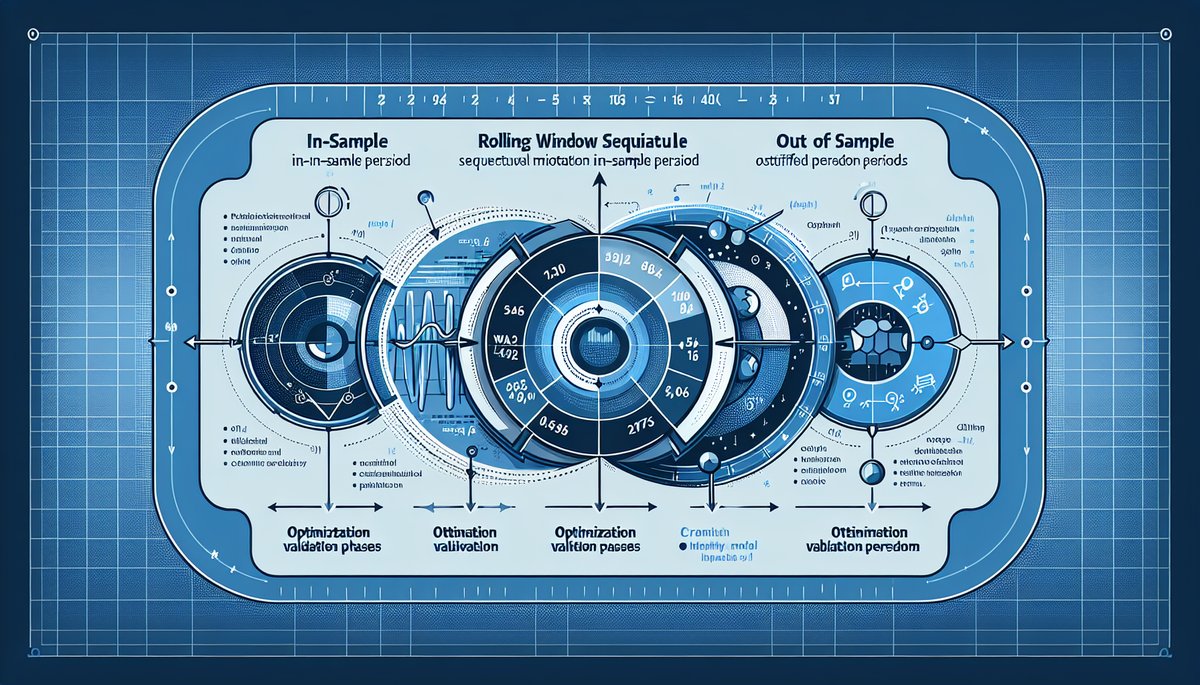
Master walk-forward analysis to validate strategy robustness and ensure your backtest results translate to live trading performance.
Deep dive into order books, bid-ask spreads, market impact, and liquidity dynamics specific to NSE and BSE trading.
Master portfolio optimization techniques using Python. Learn mean-variance optimization, risk parity, and Black-Litterman models tailored for NSE/BSE.
Learn how to conduct robust backtests that actually predict future performance in Indian markets. Avoid overfitting, data snooping, and survivorship bias.
Transform your Jupyter research notebooks into production-ready trading systems deployed on Indian exchanges. Complete guide with code, infrastructure, and monitoring.
A step-by-step guide for Indian traders transitioning from Excel-based trading systems to professional Python implementations.
Master the art of automated trading by connecting your Python strategies to Zerodha, Upstox, and other Indian brokers. Complete with authentication, order management, and risk controls.
A comprehensive guide to the most powerful Python libraries every quantitative trader needs for the Indian markets in 2025.
A comprehensive guide to building algorithmic trading systems in India using Python, covering data sourcing, signal generation, backtesting, and deployment with broker APIs.
Get the latest articles on algorithmic trading, quantitative strategies, and market analysis delivered to your inbox.
No spam. Unsubscribe anytime. Read our privacy policy.